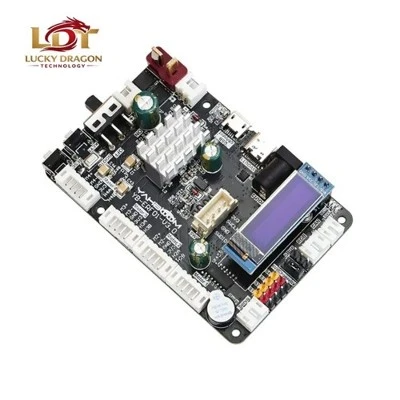
In the field of electronics manufacturing, rigid-flex printed circuit boards (PCBs)-a type of composite material-are widely used in the structural design of various electronic products due to their unique combination of rigidity and flexibility. This article introduces the definition, characteristics, application areas, and key selection criteria for rigid-flex PCBs.
I. Definition of Rigid-Flex PCBs
As the name implies, a rigid-flex PCB is a composite material formed by combining rigid and flexible materials through specialized manufacturing processes. This material offers the stability and strength of rigid materials alongside the flexibility and adaptability of flexible materials.
II. Characteristics of Rigid-Flex PCBs
High Rigidity: While remaining lightweight, rigid-flex PCBs offer excellent structural strength and stability, making them suitable for applications subject to mechanical stress.
High Flexibility: The boards exhibit excellent bending capabilities, making them ideal for electronic devices that require frequent bending or folding.
Excellent Electrical Performance: Rigid-flex PCBs typically feature low dielectric loss, making them suitable for high-frequency circuits.
Heat Resistance: They can withstand temperature fluctuations, making them suitable for electronic devices operating in high-temperature environments.
Ease of Processing: Rigid-flex PCBs can be easily cut, drilled, and stamped, accommodating designs with complex shapes.
III. Application Areas for Rigid-Flex PCBs
Communication Equipment: Such as mobile phones, tablets, and wireless communication base stations.
Computers and Peripherals: Such as motherboards, graphics cards, and hard drives.
Automotive Electronics: Such as in-vehicle entertainment systems and dashboards.
Medical Devices: Such as electrocardiogram (ECG) machines and ultrasound equipment.
Aerospace: Such as the housings and internal structures of electronic systems in aircraft and satellites.
IV. Key Considerations for Selecting Rigid-Flex PCBs
Material Selection: Choose appropriate base materials-such as FR-4 or polyimide-based on the application environment.
Lamination Structure: Determine the board's lamination structure based on design requirements, including the thickness and arrangement of rigid and flexible layers.
Processing Requirements: Consider manufacturing processes and equipment capabilities to ensure the board meets production needs.
Cost Control: Select materials and production processes that offer the best cost-performance ratio within your budget.
V. Conclusion As a multifunctional composite material, rigid-flex boards offer broad application prospects in the field of electronics manufacturing. Understanding their characteristics and areas of application helps designers make more informed material choices, thereby enhancing the performance and reliability of electronic products. With continuous technological advancements, the use of rigid-flex boards will become even more widespread, opening up further possibilities for innovation in the electronics manufacturing industry.